Published 14 February 2024 by Nathan Calvert
• Updated on 06 March 2026
• 10 min read
In e-commerce fulfilment, packaging decisions directly affect shipping costs. One concept that frequently causes confusion for online retailers is dimensional weight. Also referred to as volumetric weight, this pricing method is widely used by courier and parcel networks to calculate the cost of transporting packages.
Understanding dimensional weight is essential for any business shipping products through courier networks such as Royal Mail, DPD, DHL or UPS. In many cases, the price of sending a parcel is determined not by its physical weight but by the amount of space it occupies within a delivery vehicle.
This guide explains how dimensional weight works, how it is calculated, and why packaging choices can significantly affect shipping costs for e-commerce businesses.
What Is Dimensional Weight?
Dimensional weight, sometimes called volumetric weight, is a shipping industry pricing method that considers the size of a parcel rather than just its actual mass. Courier networks introduced this approach to ensure that large but lightweight packages are priced fairly based on the space they take up during transport.
Delivery vehicles, aircraft cargo holds and parcel sorting facilities all have limited space. A parcel containing lightweight items such as clothing or bedding may weigh very little, yet still occupy the same amount of vehicle space as a much heavier item. Charging purely by weight would allow these large parcels to travel cheaply while occupying valuable space.
Dimensional weight addresses this by calculating the parcel's volume and converting it into a weight equivalent. The courier then compares this value with the parcel's actual weight and charges whichever is greater.
Why Dimensional Weight Matters for E-commerce
For online retailers, dimensional weight can have a major effect on fulfilment costs. A parcel containing lightweight products may weigh only 1kg, yet if the box is oversized it could be billed as a 4kg or 5kg shipment based on its volume.
This often happens when businesses use packaging that is larger than necessary or rely on excessive void fill materials such as loose fill chips or large air pillows.
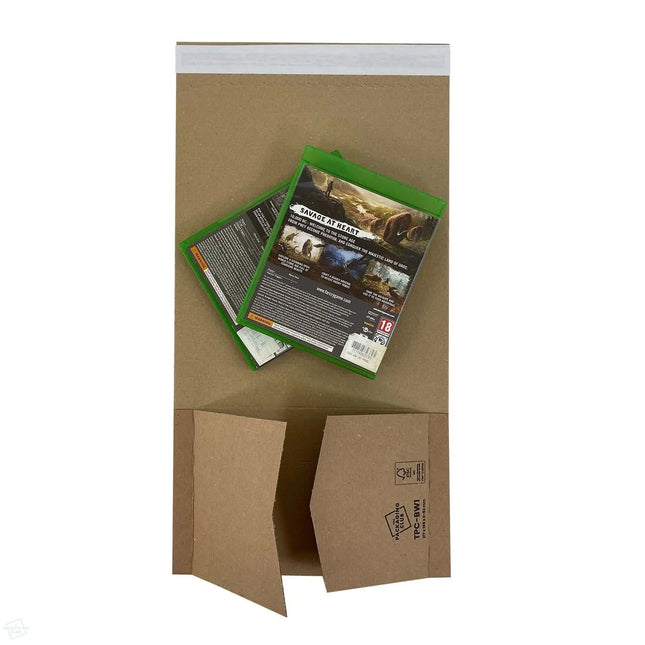
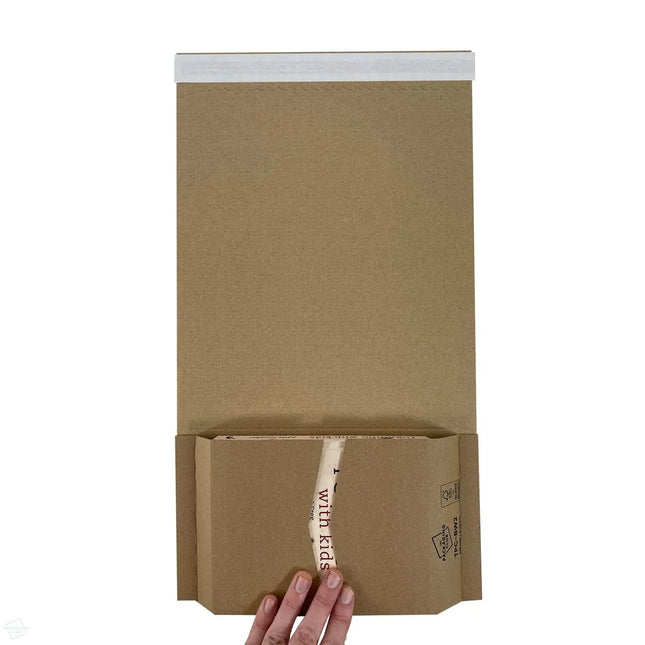
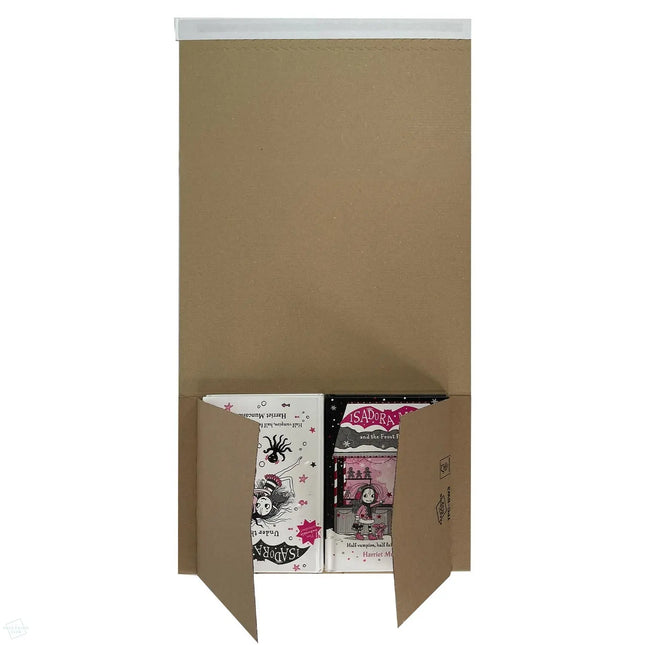
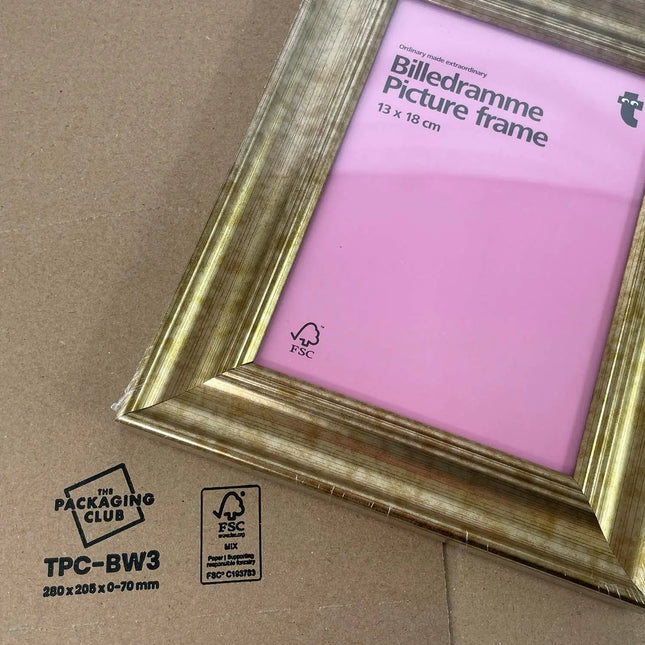
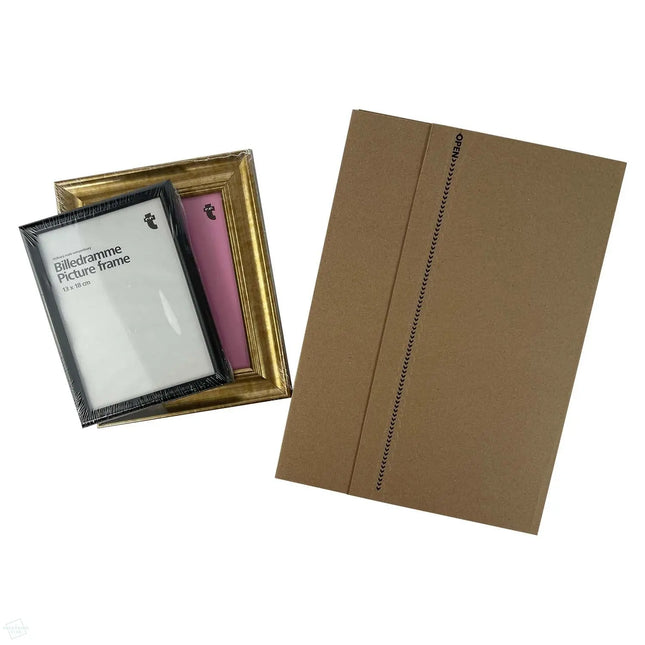
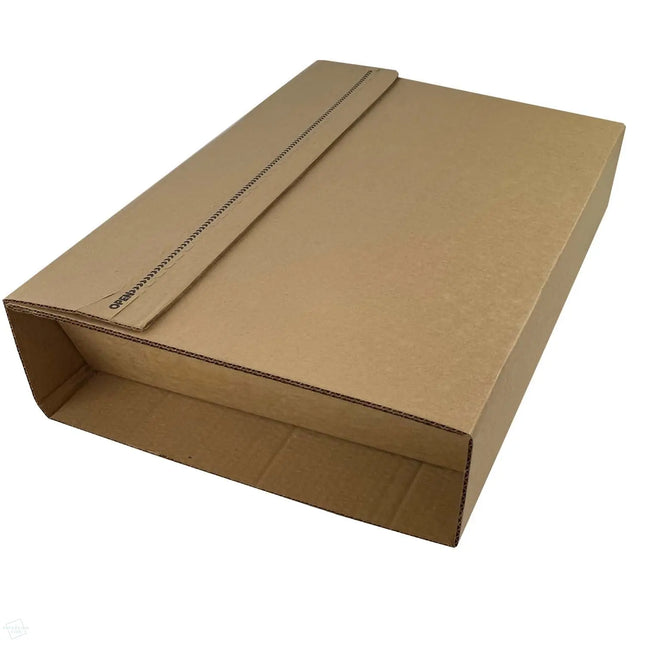
Reducing unnecessary space inside a parcel is therefore one of the simplest ways to control shipping costs. Using right-sized packaging formats such as book wraps, postal boxes or adjustable height cartons can significantly reduce volumetric charges.
The calculation for dimensional weight is straightforward. Courier companies multiply the parcel's length, width and height, then divide the result by a fixed number known as the dimensional divisor.
Dimensions are typically measured in centimetres for UK courier networks.
For example:
A parcel measuring 50cm × 30cm × 20cm would have a volume of 30,000 cubic centimetres.
If the courier uses a divisor of 5,000, the dimensional weight would be calculated as:
30,000 ÷ 5,000 = 6kg
If the parcel's actual weight is 3kg, the courier will charge for a 6kg shipment because the dimensional weight is higher.
Understanding Dimensional Weight Divisors
The divisor used in volumetric calculations varies between courier companies. It represents the average density the carrier expects parcels to achieve within their transport network.
A lower divisor produces a higher dimensional weight, which leads to higher shipping charges. Many international courier networks use divisors around 5,000 for metric measurements, though this may vary depending on service type.
Businesses shipping high volumes of parcels often negotiate different divisors with carriers as part of their shipping contracts. Even a small change in the divisor can significantly reduce shipping costs across thousands of parcels.
Why Packaging Design Affects Shipping Costs
Packaging design plays a major role in controlling dimensional weight charges. Many e-commerce businesses unintentionally ship products in boxes that are significantly larger than necessary.
This happens when businesses rely on a small number of standard box sizes rather than selecting packaging designed around their product dimensions.
Right-sized packaging helps reduce empty space within parcels. In packaging design this is often referred to as reducing "void space", which means unused air inside the parcel.
Reducing void space improves several aspects of fulfilment:
Lower dimensional weight charges
Reduced use of void fill materials
Improved packing efficiency in warehouses
More parcels fitting within courier vehicles
Many modern e-commerce packaging formats are designed specifically to address these issues. Adjustable height cartons, book wraps and flat-packed postal boxes allow packers to closely match the packaging size to the product.
Cost Implications for Online Retailers
Shipping costs are one of the largest operational expenses for e-commerce businesses. If dimensional weight is not carefully managed, it can quickly erode profit margins.
This is particularly true for retailers selling lightweight items such as apparel, cosmetics, electronics accessories or printed materials.
For example, shipping a hoodie inside a large carton may result in a volumetric charge of 4kg, even though the product itself weighs less than 1kg. Multiply this difference across thousands of orders each month and the financial impact becomes significant.
Businesses that review their packaging formats regularly can often achieve substantial cost reductions by simply introducing more appropriate box sizes.
Sustainability Implications
Dimensional weight also has environmental implications. Larger parcels require more packaging materials and take up more space during transport.
When parcels are oversized, courier vehicles carry fewer packages per journey. This can increase the number of delivery vehicles required within the logistics network.
Right-sizing packaging improves vehicle utilisation and reduces unnecessary packaging materials. Many businesses find that optimising packaging for dimensional weight also supports their sustainability objectives.
Strategies to Reduce Dimensional Weight
E-commerce businesses can take several practical steps to reduce dimensional weight charges and improve packaging efficiency.
Use Right-Sized Packaging
One of the most effective strategies is introducing packaging formats that closely match product dimensions. This may involve adding additional box sizes to the fulfilment operation or switching to adjustable packaging solutions.
Packaging formats such as book wraps, adjustable height postal boxes and gusseted mailing cartons are widely used in e-commerce because they adapt to multiple product sizes while minimising unused space.
Improve Packing Processes
Warehouse packing processes also influence dimensional weight outcomes. Staff should be trained to choose the smallest appropriate packaging format for each order rather than defaulting to oversized cartons.
Some fulfilment operations use packing algorithms within their warehouse management systems to automatically recommend the most suitable box size for each order.
Review Courier Contracts
High volume shippers often negotiate dimensional divisors and rate structures with their courier providers. Reviewing these agreements periodically can help businesses ensure they are receiving competitive shipping terms.
Working with a packaging specialist can also help identify packaging formats that align better with courier pricing structures.
Frequently Asked Questions
What is the difference between dimensional weight and actual weight?
Actual weight is the physical mass of the parcel measured on scales. Dimensional weight represents the space a parcel occupies within a transport network. Courier companies charge whichever value is greater.
Why do courier companies use dimensional weight?
Parcel delivery networks have limited space inside vehicles and aircraft. Dimensional pricing ensures large lightweight parcels contribute fairly to transport costs based on the space they occupy.
How can businesses reduce dimensional weight charges?
The most effective method is using packaging that closely fits the product. Right-sized cartons, adjustable packaging and improved packing processes help minimise unused space.
Does dimensional weight apply to all courier services?
Most national and international courier services use dimensional weight pricing, though the divisors and thresholds vary between carriers.
Is dimensional weight used for international shipping?
Yes. In fact, volumetric pricing is particularly common for air freight and international courier services where cargo space is extremely valuable.
Optimising Packaging for E-commerce Shipping
Dimensional weight is a central concept in modern parcel logistics. For e-commerce retailers, understanding how it works can unlock significant savings and improve fulfilment efficiency.
By choosing the right packaging formats and reducing unnecessary parcel volume, businesses can lower shipping costs while improving sustainability performance.
Level up your unboxing experiences with Bespoke Packaging
Ready to take control of your shipping costs and create packaging tailored to your products? The Packaging Club specialises in bespoke e-commerce packaging designed to balance protection, presentation and dimensional efficiency.
From custom sized corrugated boxes to branded postal packaging, we help businesses reduce unnecessary parcel volume while strengthening brand presentation during the unboxing experience.
Our network of UK packaging manufacturers supports a wide range of print methods including flexographic, lithographic and digital print, allowing brands to produce high quality packaging at scale.
Explore our bespoke packaging services and discover how tailored packaging design can reduce shipping costs while strengthening your brand.
With over 15 years in the packaging industry, Nathan brings hands-on experience across design, production, and digital transformation. His content helps readers understand how packaging decisions impact operations, efficiency, and long-term growth.